NICK SEAL. Data. Architecture. Insight.

Topic

Data Architecture

Designing scalable data platforms.

Power BI in Practice

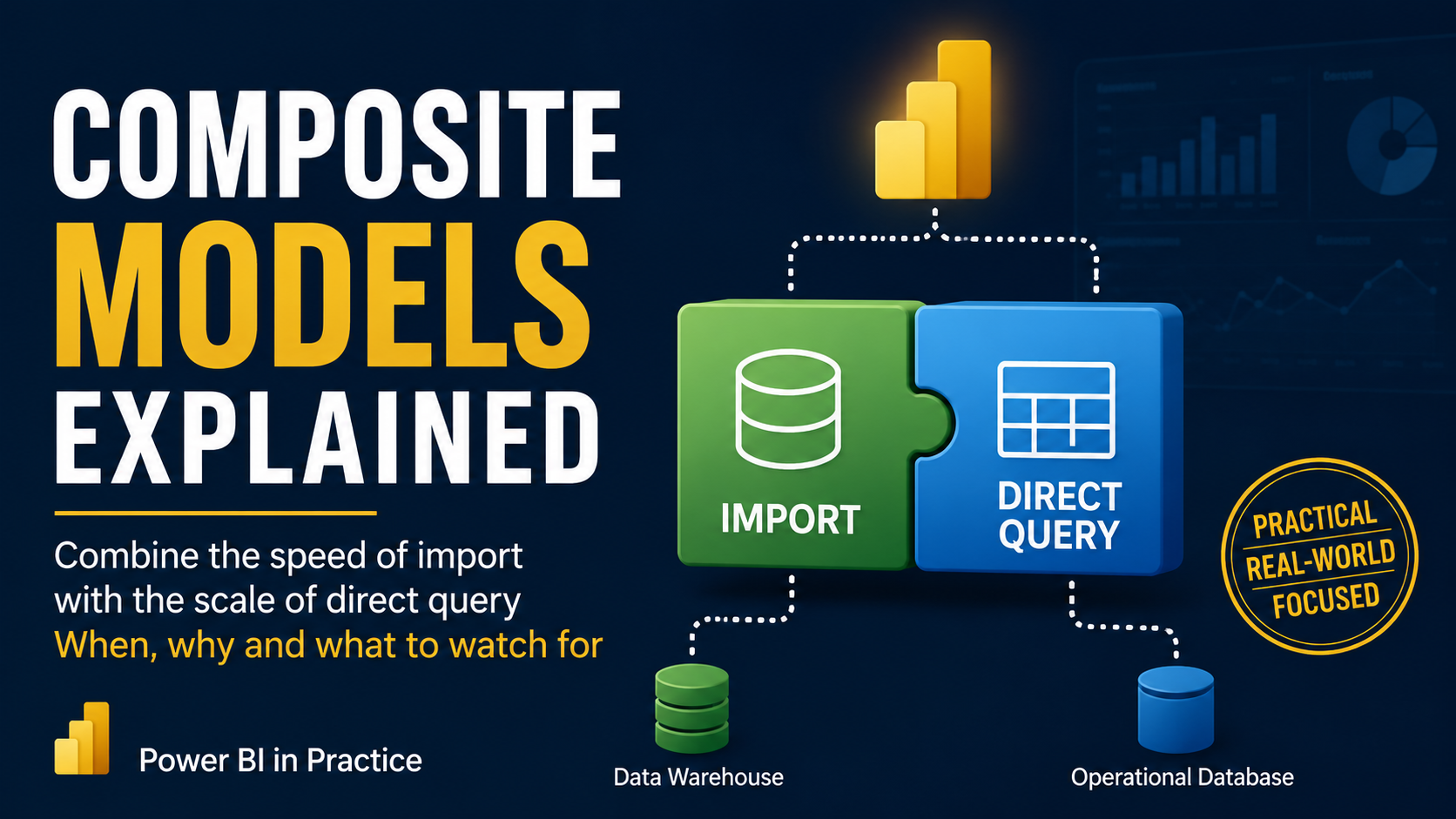
Composite models explained

Composite models let Power BI combine Import and DirectQuery data within the same semantic model. They can solve genuine reporting challenges, particularly where large datasets or near real-time requirements are involved. But they also introduce complexity around performance, relationships, security and maintenance. This guide explains when composite models make sense, when they do not, and what to consider before using one.
Architecture Corner

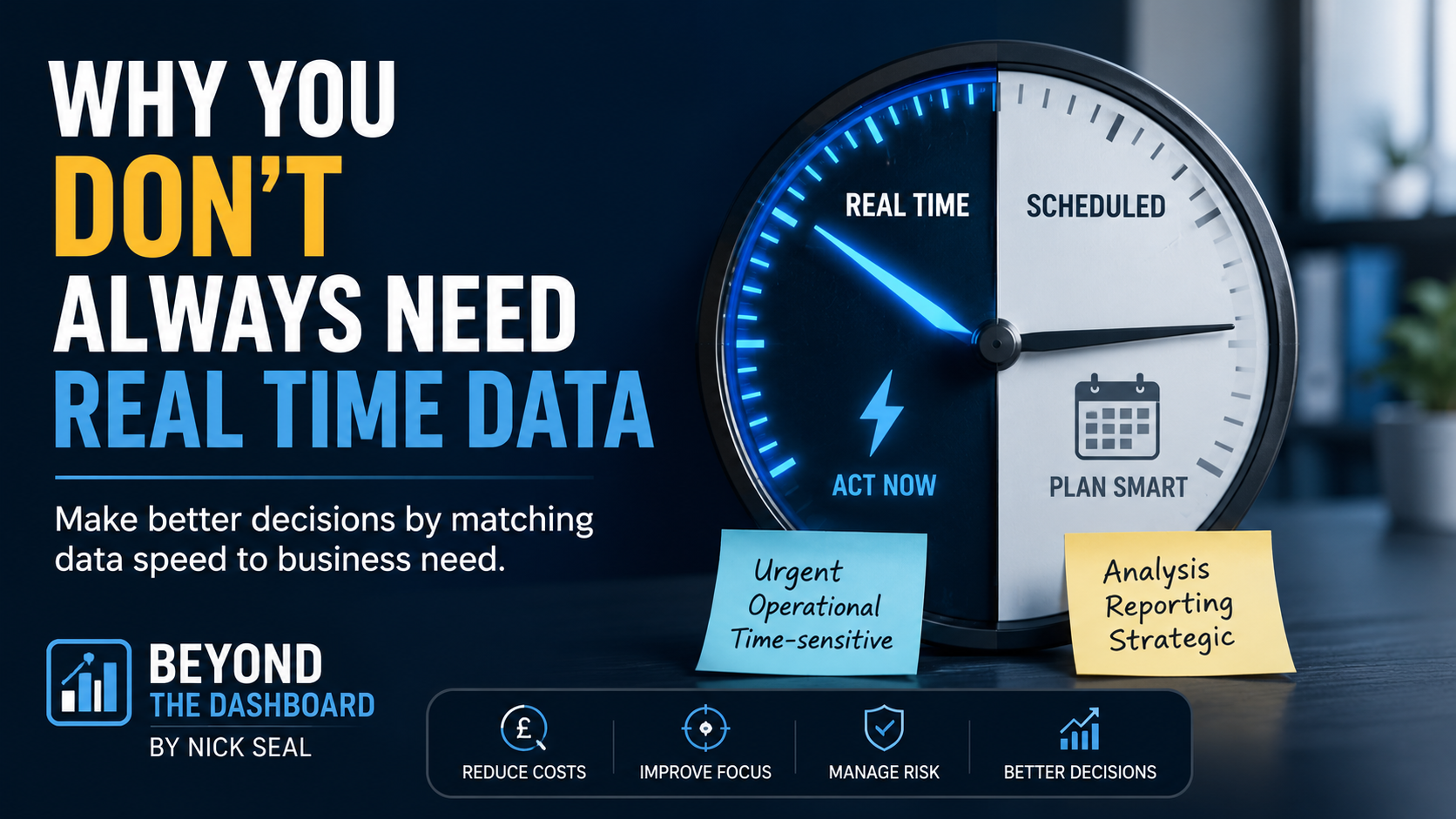
Why you don’t always need real-time data

Real-time data sounds like the obvious goal for modern analytics, but faster is not automatically better. For many business decisions, data refreshed every few hours or once a day is more than sufficient. The right architecture starts by understanding how quickly a decision needs to be made, not how quickly technology can deliver the data.

Beyond the Dashboard

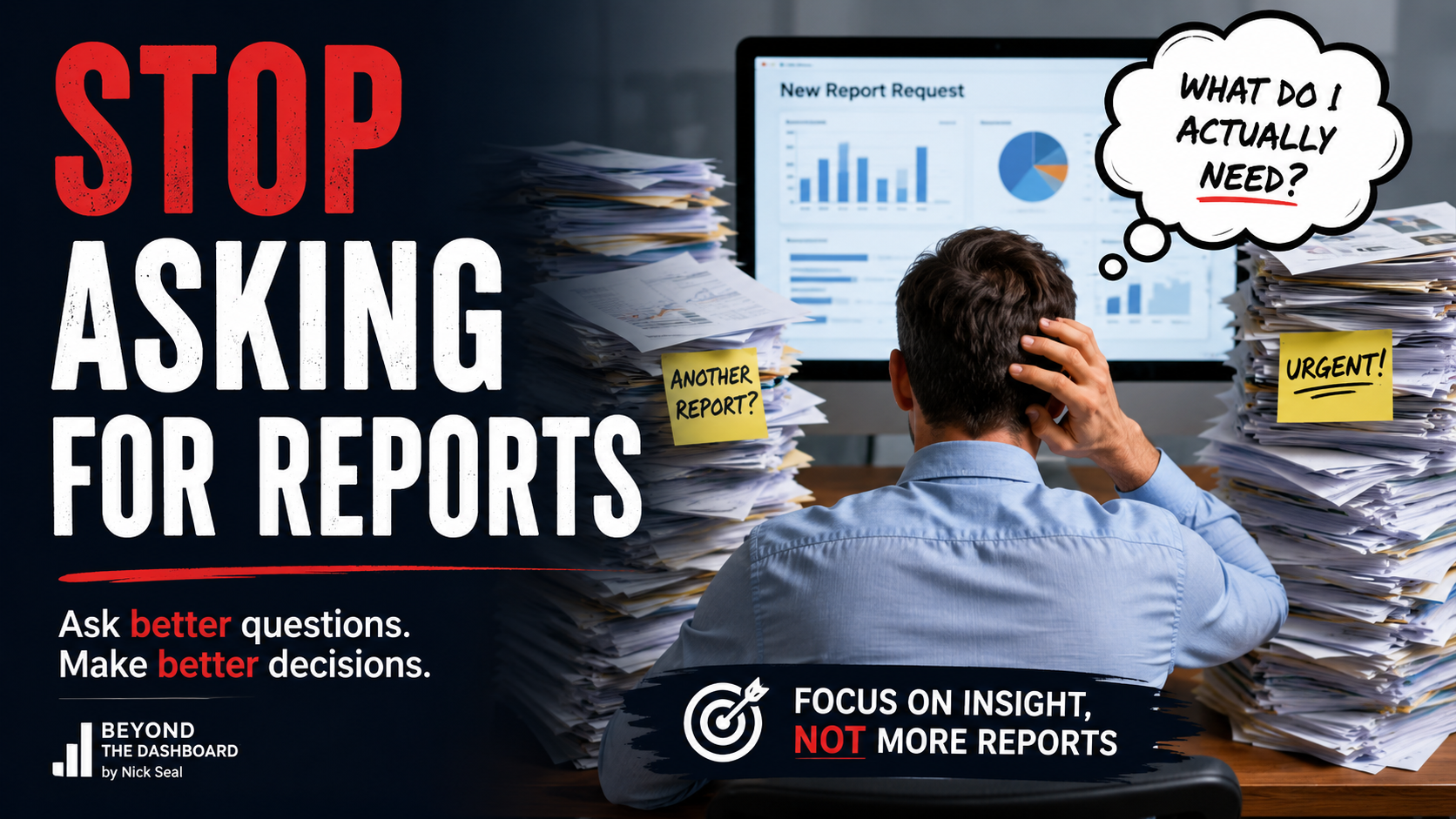
Stop asking for reports

Before asking for another report, ask what decision it will support, whether the information already exists and who will actually use it. Too many reporting requests begin with a solution rather than a problem, creating duplicated dashboards, conflicting numbers and a growing dependency on the BI team.

The Data Detective

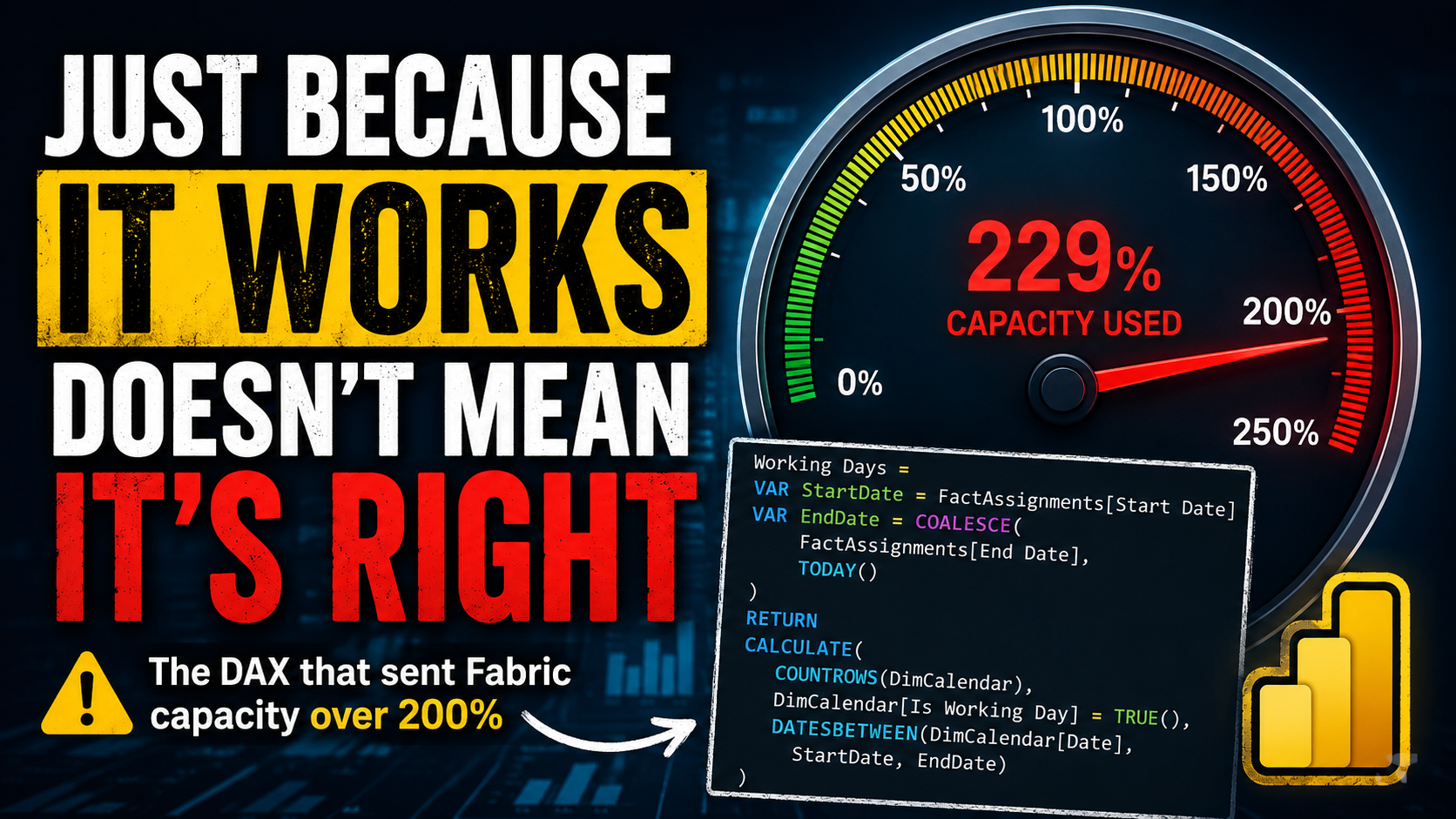
Just Because It Works Doesn't Mean It's Right

The report worked. The DAX returned the correct answer. Nobody questioned it until Microsoft Fabric capacity started running at more than 200% usage. This article explores why technically correct code can still be architecturally wrong, and why AI makes understanding the fundamentals more important than ever.

The Data Detective

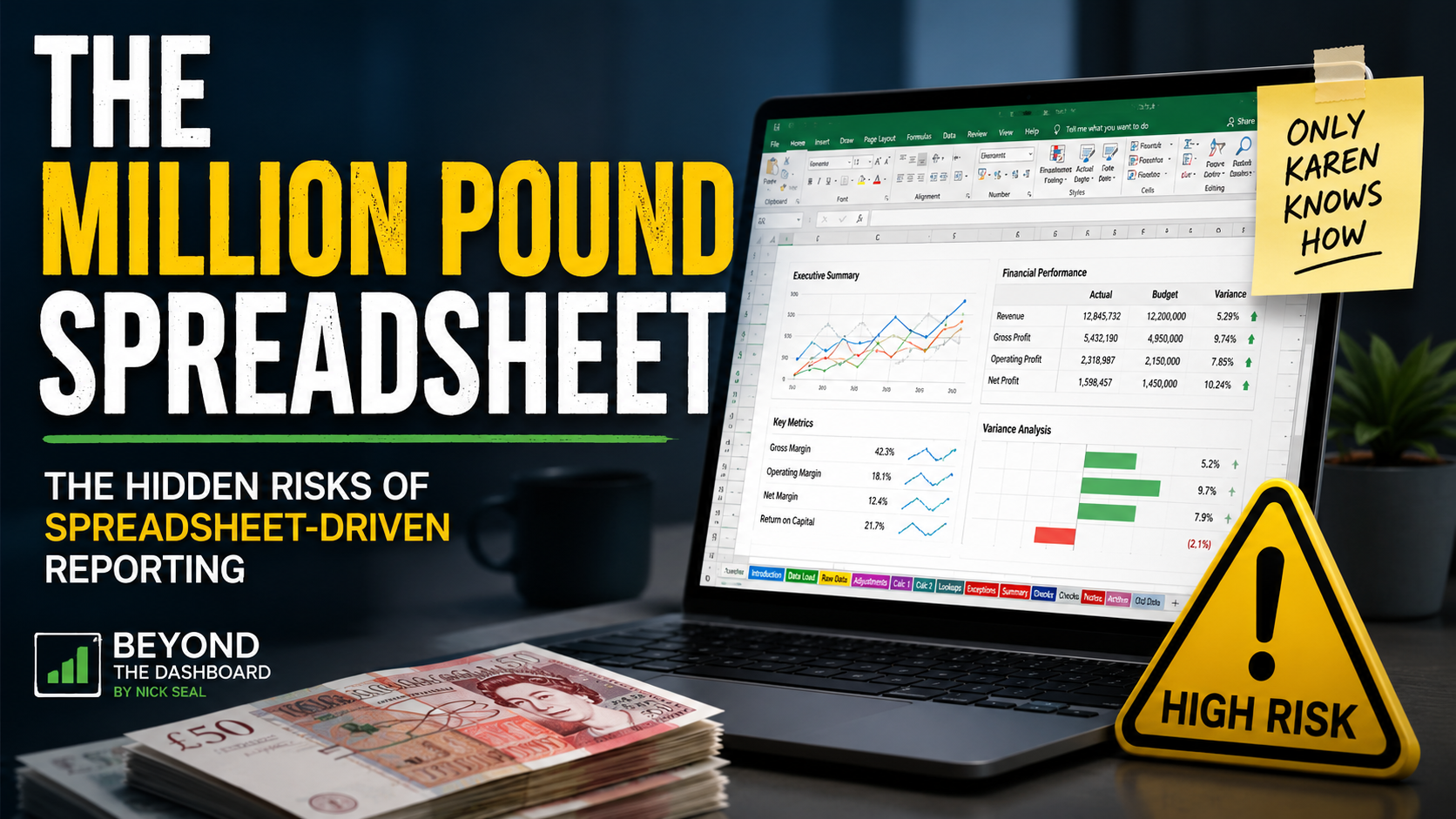
The Million Pound Spreadsheet

Many organisations still rely on spreadsheets to make decisions worth millions of pounds. Most work perfectly until they do not. This article explores why spreadsheet-driven reporting becomes so deeply embedded, the hidden risks it creates, and how better data architecture reduces dependence without losing business flexibility.